Beta — COLAClear is currently in beta. All reviews are free during the beta period.
Blog
Practical notes on TTB label compliance — written from inside the pre-screening process. New posts roughly once a month.
August 7, 2026
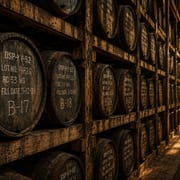
On a spirits label, age is a defined federal term — time in oak, after distillation and before bottling. When whisky, brandy, and other spirits must state their age, when it’s optional, and when an age or “aged in oak” claim is prohibited. With 27 CFR 5.74 citations.
Read full article →

July 25, 2026
Beer is the one alcohol category where the first question is which agency is even in charge. Whether your beer is a TTB malt beverage that needs a COLA or an FDA-regulated beer that doesn’t, when you need formula approval, and how the in-state exemption works.
Read the post →
July 13, 2026
Some of the most persuasive words on a wine label have no legal definition at all — Reserve, Old Vine, Proprietor’s Blend. Others are policed to the percentage point — Estate Bottled, varietal, vintage, appellation. The line between marketing language and regulated claims, with CFR citations.
Read full article →
July 13, 2026
One of the most coveted terms on a wine label — and one of the most strictly defined. The four all-or-nothing conditions of 27 CFR 4.26, what “owned or controlled” really means, and the common ways producers lose the claim.
Read full article →
July 9, 2026
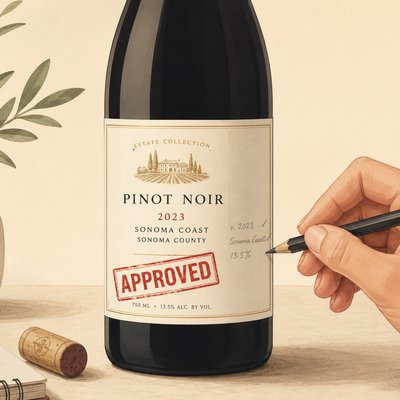
Once the TTB approves your label, you don’t have to refile for every tweak — but the list of what you can change on your own is exact. The changes you can make without a new COLA, the ones that still force a refiling, and where it goes wrong. With the TTB’s Form 5100.31 list and CFR citations.
Read full article →
July 8, 2026
Name two grapes and you’ve triggered a specific set of rules: name them all, show the percentages, and back it with an appellation. How to label a varietal or a blend so it clears — the 75% rule, the 51% exception, the ±2% tolerance, and the appellation sourcing behind it. With CFR citations.
Read full article →
June 26, 2026
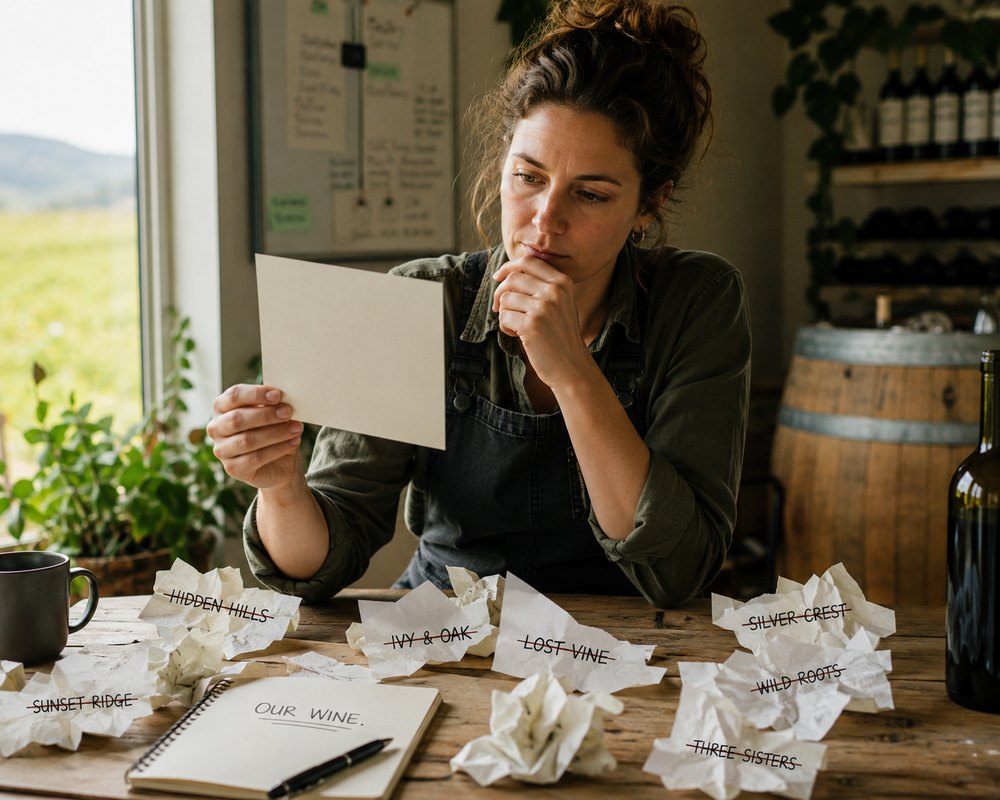
The TTB won’t judge whether your name is funny or tasteful — but it will reject one that misleads or breaks a rule. The short, predictable list of what gets a wine name bounced: geographic terms, health claims, misleading pedigree, and more. With CFR citations.
Read full article →
June 25, 2026
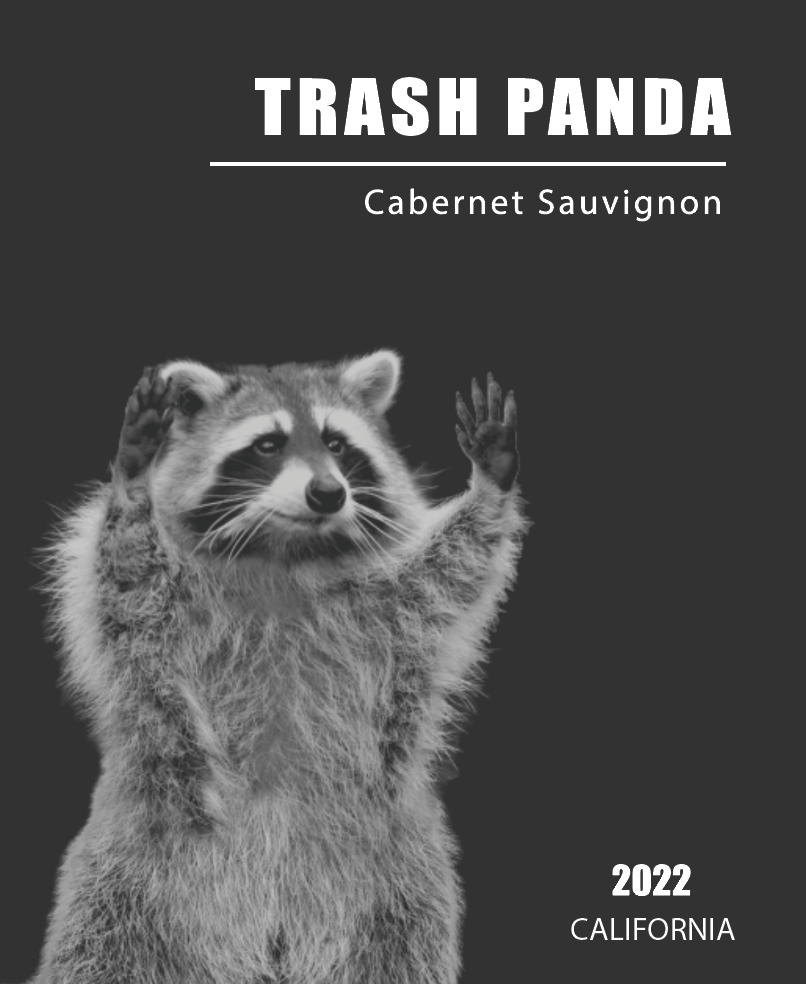
The TTB approves your label without judging your taste — which is how a wine called Booty Call clears the same federal review as a First-Growth Bordeaux. A tour of real 2025 filings: Attempted Murder, Trash Panda, The Weird Ones Are Wolves, and more, from the TTB Public COLA Registry.
Read full article →
June 23, 2026
An approved COLA clears your label — not your brand name. And selling before your COLA issues can cost you the trademark: two real cases show how a winery that got to market first still lost the name. Sourced to the CFR and TTAB.
Read full article →
June 20, 2026
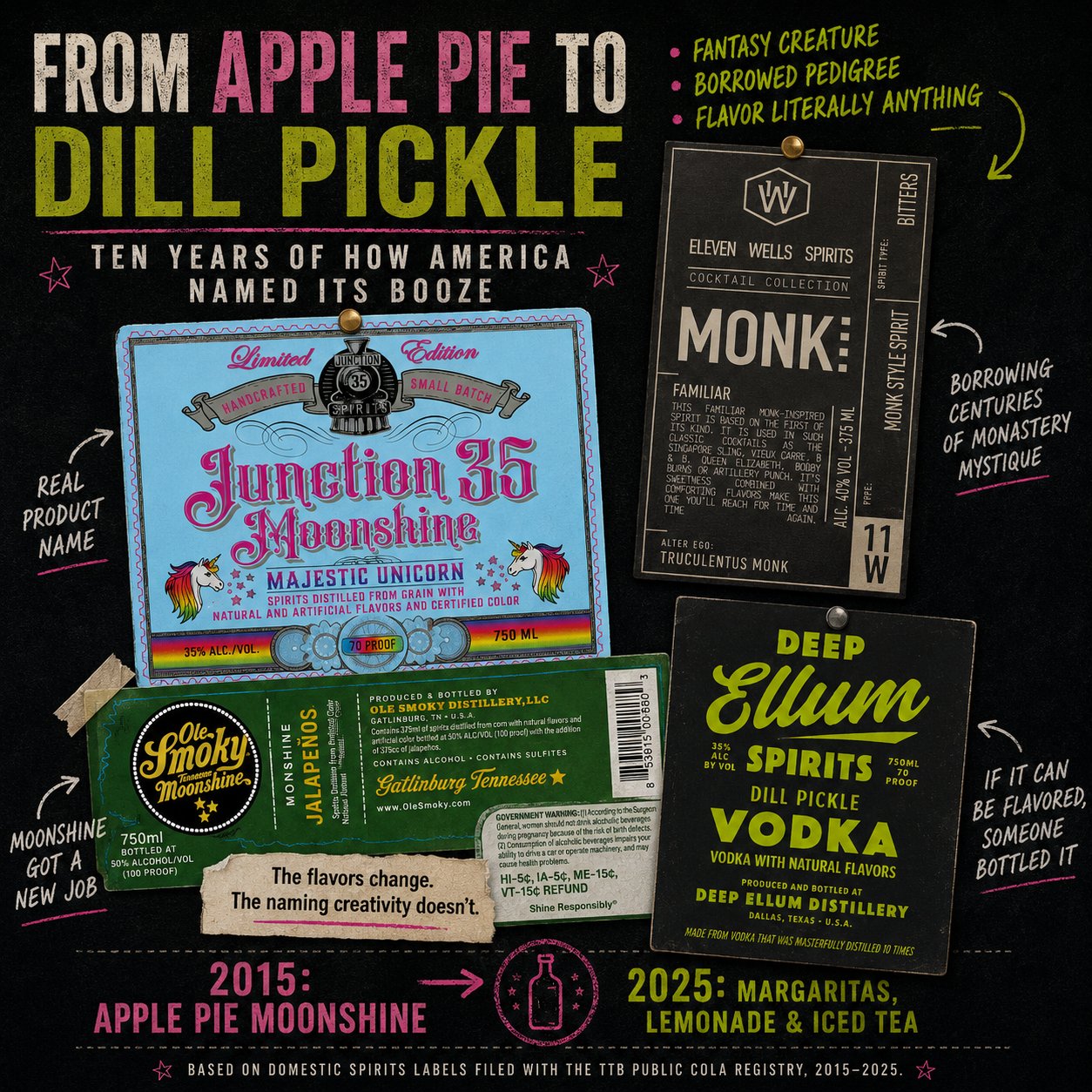
Every flavor fad leaves a fingerprint on the federal label. A decade of TTB filings, from apple-pie moonshine to canned margaritas — Dill Pickle Vodka, Majestic Unicorn, and a liqueur called Monk along the way. Read from the TTB Public COLA Registry.
Read full article →
June 19, 2026
Across more than half a million TTB filings since 2021, wine label approvals follow a clear yearly rhythm — busy February through July, peaking in March, and quiet over the holidays. Summer isn’t the dead zone you’d expect; the real lull is November and December. Read from the TTB Public COLA Registry.
Read full article →
June 13, 2026
In 2025, super-premium was the only U.S. spirits tier to grow — up 4.3% in supplier revenue — while every tier below it fell, down to −5.3% at value. A K-shaped split that sorts drinkers by income, read from the Distilled Spirits Council data.
Read full article →
June 5, 2026
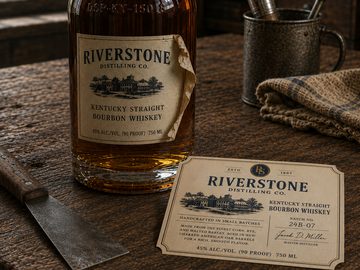
A bottle labeled for export isn’t automatically cleared for U.S. sale. The changes TTB requires first — the government health warning, an authorized standard of fill, the importer and origin statements, and ABV format. Sourced to the CFR.
Read full article →
June 1, 2026
Most labels don’t need a lawyer — but a specific set of red flags do. Trademark on your brand name, health and “clean” claims, geographic terms, disparaging copy, and rejections you can’t decode. What a pre-screen handles, and where a human earns the fee. Sourced to TTB and the CFR.
Read full article →
May 31, 2026
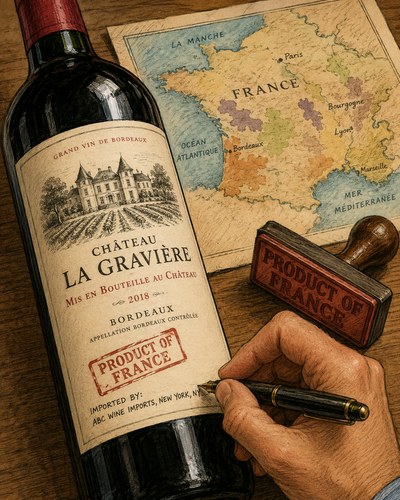
The requirements that have nothing to do with what’s in the bottle and everything to do with the fact that it crossed a border: the country-of-origin marking, the “Imported by” line, who actually holds the COLA, and the certification some origins need. Sourced to the CFR.
Read full article →
May 31, 2026
The single rule behind a large share of “Needs Correction” notices — and it’s entirely mechanical. The exact required wording, the type-size minimums by container size, the bold/caps formatting, and the mistakes that get labels bounced. Sourced to 27 CFR Part 16.
Read full article →
May 29, 2026
Volume is down and premiumization is stalling at the same time. After twenty years on the distribution side, an honest read on what actually survives a shrinking market — and why customer loyalty isn’t it. In retail, two numbers run everything: a press score and the lowest price on Wine-Searcher.
Read full article →
May 28, 2026
US importers filed 1,638 label approvals from 14 Eastern European and Caucasus countries in 2025 — while actual import volume fell roughly 74 percent. The gap between what importers file with TTB and what consumers actually buy, in the COLA and BW166 data.
Read full article →

May 25, 2026
Current TTB label processing times: wine 4 days, distilled spirits 6 days, malt beverages 1 day. Wine and beer processing have accelerated significantly in the first half of 2026 — with the 30-day Needs Correction clock still in play. Sourced directly from TTB.gov, updated quarterly.
Read full article →
May 23, 2026
Three of 2025’s most-filed domestic spirits brands — Surfside, Crooked Creek Distillery, and Ole Smoky — reached the top of the leaderboard via three completely disparate production strategies: scale through geography, iteration across categories, depth through flavor. The TTB Public COLA Registry is a supply-side leading indicator sitting in plain sight.
Read full article →
May 18, 2026
Analysis of 104,018 wine and spirits COLAs approved by TTB in 2025: the compliance burden concentrates at wine importers, and most of those handle French wine. The conventional “mid-sized winery” doesn’t really exist in COLA filing volume.
Read full article →
May 15, 2026
A valid COLA can still violate state law. California’s six wine regions and Oregon’s Willamette Valley — the sub-AVAs that trigger the requirement, the type-size rules, and why fixing a miss means a new COLA.
Read full article →
May 7, 2026
Label clearance work splits into interpretive judgment (geographic misleadingness, AVA edge cases, subjective claims) and deterministic checks against fixed regulatory text (Government Health Warning, sulfite declaration, varietal percentages). Where COLAClear fits in a beverage compliance practice.
Read full article →
May 7, 2026
The seven labeling issues that drive most TTB "Needs Correction" notices on wine labels — Government Health Warning, sulfite declaration, multi-varietal percentages, vintage dating, geographic brand names, class/type designation, and producer/bottler statements. Each with its CFR citation and the most common failure pattern.
Read full article →