Blog / July 13, 2026
What “Estate Bottled” Means on a Wine Label
One of the most coveted terms on a wine label — and one of the most strictly defined. You qualify on every count, or you cannot use it.
By Zillah Bahar, Founder, COLAClear · July 13, 2026
In short: “Estate Bottled” is a regulated wine-label term meaning the winery grew 100% of the grapes on land it owns or controls inside a single AVA, then crushed, fermented, aged, and bottled the wine in one continuous process on its own premises. Under 27 CFR 4.26 it is all-or-nothing: miss any one condition and the term is off the table.
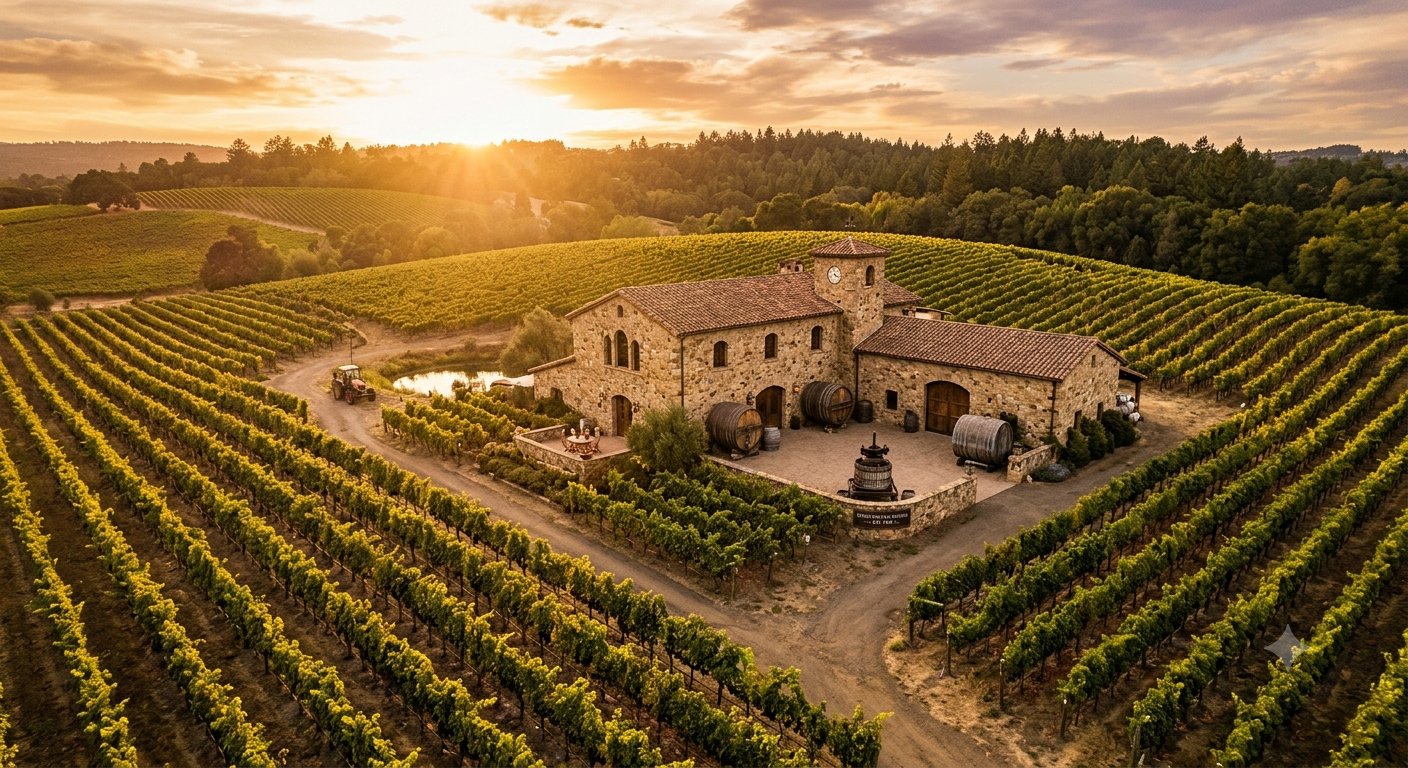
“Estate Bottled” signals that a winery grew and made the wine start to finish on its own land. The TTB defines it tightly, and the bar is all-or-nothing: miss any one condition and the term is off the table — even if the wine is excellent and the story is close. (“Estate Bottled” is the regulated term; looser phrasings like “estate grown” do not carry the same fixed definition, but they also do not carry the same protection from scrutiny.)
What the rule actually says (27 CFR 4.26)
You may print “Estate Bottled” only if every one of these is true:
- The wine is labeled with a viticultural area (AVA) appellation.
- The bottling winery is located within that AVA.
- The winery grew 100% of the grapes on land it owns or controls, within the boundaries of that same AVA.
- The winery crushed the grapes, fermented the must, and finished, aged, and bottled the wine in a continuous process — the wine never left the winery’s premises.
What “owned or controlled” means
“Controlled” is not a handshake. The TTB defines it as the winery having the legal right to perform — and actually performing — all the acts of viticulture on the vineyard, under a lease or similar agreement lasting at least three years. A long-term lease counts. A one-year grape contract does not.
How to qualify — a quick checklist
- Is your winery inside the AVA named on the label?
- Did you grow every grape on land you own or control within that AVA — with no purchased fruit, even from the same AVA?
- Is your control a lease of at least three years where you do all the vineyard work — not a short grape-buy contract?
- Did the wine stay on your premises from crush to bottle — no off-site custom crush or mobile bottling?
If any answer is no, you cannot say “Estate Bottled.”
Where it goes wrong
- Buying even a small amount of fruit — it breaks the 100% rule.
- A vineyard just over the AVA line.
- Trucking the wine elsewhere to bottle.
- Treating a short-term grape contract as control.
Common questions
What does “Estate Bottled” mean on a wine label?
It means the winery grew 100% of the grapes on land it owns or controls inside a single AVA, then crushed, fermented, aged, and bottled the wine in one continuous process on its own premises. Under 27 CFR 4.26 it is all-or-nothing.
What is the difference between “Estate Bottled” and “estate grown”?
“Estate Bottled” is the regulated term, tied to the full 27 CFR 4.26 definition. “Estate grown” is a looser phrase with no fixed federal meaning, so it carries neither the same conditions nor the same protection from scrutiny.
Can you use “Estate Bottled” with purchased grapes?
No. Buying even a small amount of fruit, even from the same AVA, breaks the 100% requirement and the term is off the table.
Where COLAClear fits
A pre-screen flags an “Estate Bottled” claim that the rest of the label — the appellation, the winery address — cannot support. You can run a label free during beta at colaclear.com.
Reference: 27 CFR 4.26 — Estate bottled. This article is general information, not legal advice — confirm current requirements against the CFR before labeling or filing.
Related reading: How to label a multi-varietal blend — the varietal and appellation rules behind the front label. See also How to name a wine without getting it rejected.