Blog / July 13, 2026
Reserve, Old Vine, Proprietor’s Blend: The Wine Words That Mean Nothing — and the Ones That Mean Everything
Some of the most persuasive words on a wine label have no legal definition at all. Others are policed to the percentage point. Knowing which is which tells you what you can write freely — and what you have to earn.
By Zillah Bahar, Founder, COLAClear · July 13, 2026
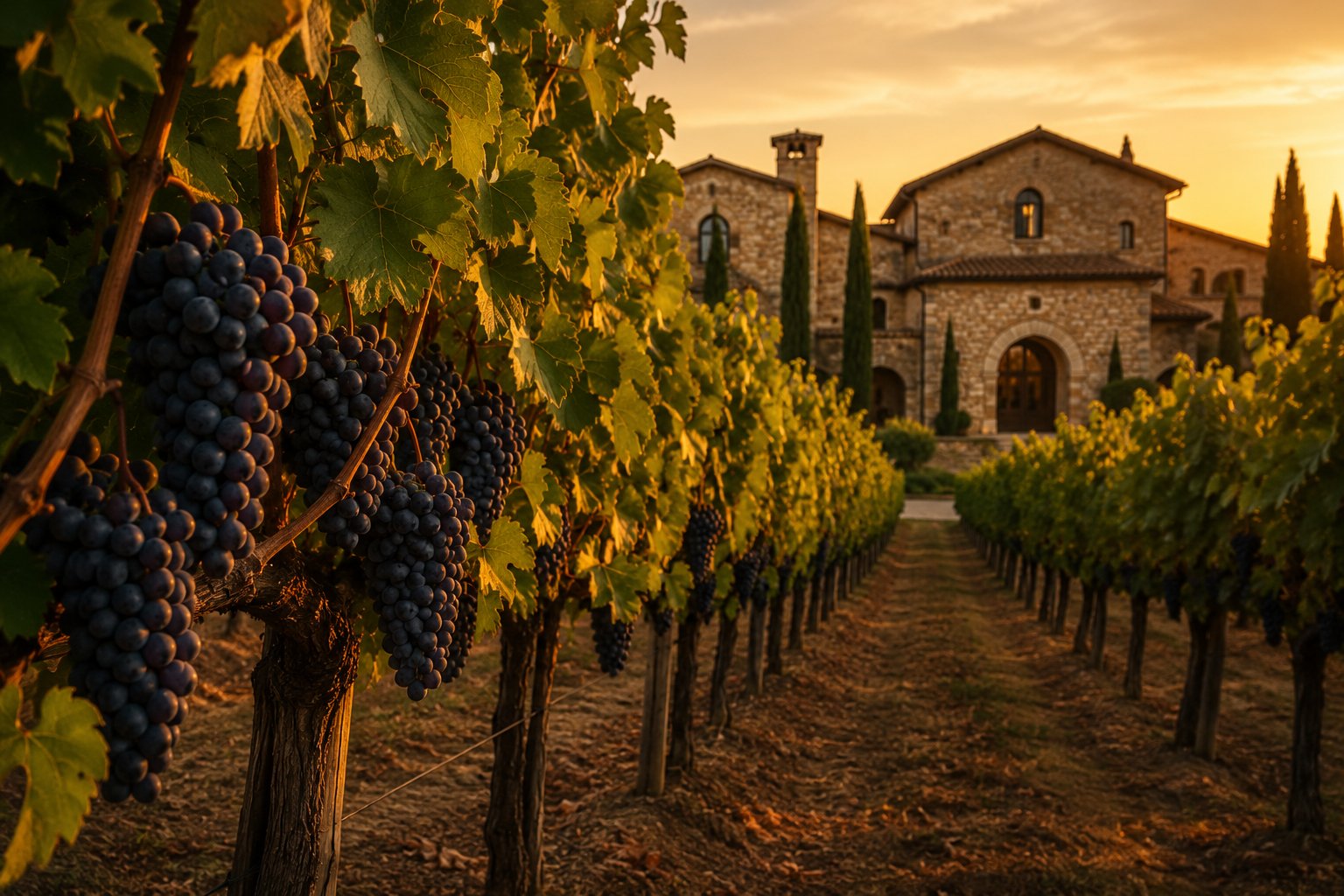
Wine marketing runs on evocative language: Reserve, Old Vine, Barrel Select, Proprietor’s Blend. Consumers assume these words certify something. Federally, most of them certify nothing — the TTB has no definition for them, and anyone can print them on any wine. A smaller set of terms is defined precisely in the regulations, and using one you haven’t earned is a direct route to a rejection. Here is the line between the two — and the rule that still governs even the “meaningless” words.
The terms with no federal definition
The TTB does not define any of the following. There is no minimum vine age behind “Old Vine,” no barrel count behind “Small Batch,” no aging or quality threshold behind “Reserve.” You can use them on any wine:
- Reserve (and Special Reserve, Reserve Selection)
- Old Vine / Vieilles Vignes
- Proprietor’s Blend, Winemaker’s Blend, Founder’s Blend
- Barrel Select, Barrel Reserve
- Small Batch, Limited Release
- Hand-crafted, Artisan
- Vintner’s Selection
Unlike in parts of Europe — where “Riserva” and “Reserva” carry legal aging minimums — these words are pure marketing in the United States.
The catch: unregulated is not “anything goes”
Freedom to use a word is not freedom to mislead. Every wine label, in all its parts, is subject to the TTB’s prohibition on statements that are false or that create a misleading impression (27 CFR 4.39). “Reserve” on its own is fine. “Reserve” staged to imply an official grade, an age, or an origin you cannot back up is not. The undefined terms are yours to use — as long as they do not make a claim you cannot support.
The terms that are defined — earn them or leave them off
These words are not decoration. Each has a fixed meaning in the regulations, and the TTB checks them:
- Estate Bottled — 27 CFR 4.26. Grown, made, and bottled by one winery on its own land inside one AVA. All-or-nothing. (See the companion post on Estate Bottled.)
- Grape variety (e.g., Cabernet Sauvignon) — 27 CFR 4.23. At least 75% of the wine must be the named grape.
- Appellation of origin — 27 CFR 4.25. At least 85% from a named AVA; at least 75% from a named county or state.
- Vintage date — 27 CFR 4.27. At least 95% of the wine from the stated year if the label carries an AVA; at least 85% if it carries a state or county.
- Production statements — 27 CFR 4.35. “Produced by” (or “Made by”) means the named winery fermented at least 75% of the wine. “Bottled by” means only that it filled the bottle. “Cellared by” / “Vinted by” means it did cellar treatment — aging or blending — not the fermenting. They are not interchangeable.
- “Organic” / “Made with organic grapes.” A defined, tiered claim under the USDA organic program and the TTB, with different sulfite and ingredient rules at each tier.
Where it goes wrong
- Leaning on an undefined term as if it were a credential — “Reserve” is not a quality grade, and presenting it as one edges toward misleading.
- Using a defined term loosely — putting “Produced by” on a wine you only bottled, or “Estate” on fruit you bought. Those are the words the TTB actually enforces.
- Blending the two — dressing a marketing word to borrow the authority of a regulated one (“Estate Reserve” on a wine that does not qualify as Estate Bottled).
Where COLAClear fits
A pre-screen leaves your marketing language alone — it will not second-guess “Old Vine” or “Proprietor’s Blend.” What it flags is the defined terms — Estate Bottled, a varietal call, a “Produced by” statement — that the rest of the label cannot support. You can run a label free during beta at colaclear.com.
References: 27 CFR 4.23, 4.25, 4.26, 4.27, 4.35, and 4.39. This article is general information, not legal advice — confirm current requirements against the CFR before labeling or filing.
Related reading: How to label “Estate Bottled” — the strictest of the regulated terms. See also How to label a multi-varietal blend. The marketing half of the label is also how AI decides who to recommend: why AI names some wineries and ignores others, on GetDiscoverable.io.