Blog / October 30, 2026
Custom Crush or Alternating Proprietorship: Who Files the COLA?
If another winery makes or bottles your wine, the label approval may not be yours to file. Here’s how TTB decides, and whose name goes on the label.
By Zillah Bahar, Founder, COLAClear · October 30, 2026
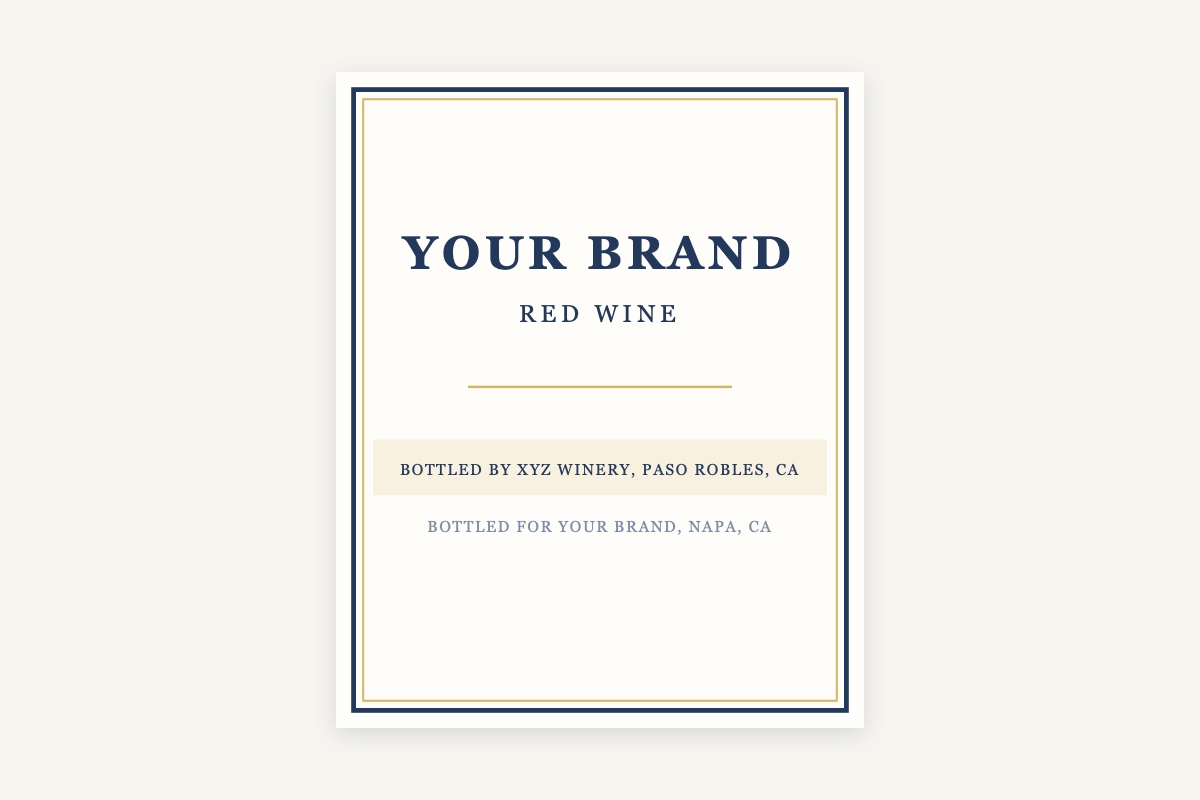
If you make wine in someone else’s facility, one of the first questions is whose name goes on the label, and who files it with TTB. The answer depends on your arrangement. The rule is the same either way: the bottler files the COLA. What differs is who the bottler is. In custom crush, the host winery bottles your wine, so it files. In an alternating proprietorship, you bottle your own wine as your own licensed winery, so you file.
The rule
No one may bottle wine, or remove it from the bottling plant, without an approved COLA (27 CFR 4.50). TTB’s Wine FAQ puts it plainly for custom crush clients: “Federal regulations require that the bottling winery must submit the label for approval.”
Custom crush: the winery files, and its name is required
In a custom crush arrangement, you pay a winery to make wine to order, and you market it. The winery is responsible for producing the wine and for the regulatory requirements, even if you own the grapes or design the label. TTB’s Industry Circular 2008-4 is direct: “In a custom crush arrangement, the wine bottler obtains any necessary COLA from TTB.”
On the label:
- The winery’s name and address must appear after “bottled by” or “packed by” (27 CFR 4.35(a)(1)).
- Your name and address can appear in addition, never instead, after “bottled for,” “packed for,” or “distributed by” (27 CFR 4.35(a)(2)(i)).
- “Produced by” or “made by” describes what the named winery did: it must have fermented at least 75% of the wine at the stated address (27 CFR 4.35(a)(2)(iii)).
One more thing custom crush clients miss: you may need a federal wholesaler’s basic permit. TTB says you do if you act as a wholesaler, for example setting the price, choosing which dealers get the wine, or controlling and paying for advertising. If you only receive the proceeds from the winery’s sales, you don’t (TTB Wine FAQ W11).
Alternating proprietorship: you are the winery
In an alternating proprietorship, you take turns using another winery’s space and equipment, but you qualify as your own bonded winery, with your own permit and records (27 CFR 24.136). TTB must approve the arrangement before you start. Because you are the bottler of your wine, you get your own COLAs, even on a shared bottling line: “each alternating proprietor using the bottling equipment must obtain its own COLA(s) for the wine it will bottle” (Industry Circular 2008-4). And as the bottler, your name goes in the “bottled by” statement.
A note on names and “Estate Bottled”
Any trade name on the label must match a name on the bottler’s permit or other qualifying document (27 CFR 4.35(d)). “Estate Bottled” depends on the bottling winery growing the grapes and making and bottling the wine on its own premises (27 CFR 4.26). In an alternating proprietorship, two separate wineries can share one building. If one hands its wine over to the other, even on paper without moving a tank, TTB treats that as the wine leaving the first winery’s premises, and “Estate Bottled” is off the table (Industry Circular 2008-4). More in our post on how to label “Estate Bottled.”
Spirits and beer
Same pattern: the bottler is named on the label, and a brand owner can be added with “bottled for” (27 CFR 5.66 and 7.66).
Where it goes wrong
- A custom crush client tries to file the COLA itself.
- The client’s name goes in the “bottled by” line instead of the winery’s.
- A trade name on the label doesn’t match the permit.
- An alternating proprietorship starts bottling before TTB approves it.
- An “Estate Bottled” claim survives a transfer to another proprietor.
Where COLAClear fits
Whoever files, run the label through COLAClear first. It checks that a “bottled by” or “packed by” statement (or “imported by,” for imports) is printed on the label, and flags a wine label that names only who it was “bottled for,” citing 27 CFR 4.35. It can’t confirm the name is accurate, only that the statement is there. It’s free during beta at colaclear.com.
FAQ
Who files the COLA in a custom crush arrangement?
The bottling winery. The custom crush client never files it, because the client isn’t the bottler.
Can my brand owner name appear on a custom crush label?
Yes, in addition to the winery’s required “bottled by” statement, after “bottled for,” “packed for,” or “distributed by.”
Does an alternating proprietorship need TTB approval?
Yes, before operations begin. Each alternating proprietor qualifies as its own bonded winery and gets its own COLAs.
References: 27 CFR 4.26, 4.35, 4.50, 5.66, 7.66, and 24.136; TTB Industry Circular 2008-4; TTB Wine FAQs W8, W11, and W22. This article is general information, not legal advice.
Related reading: How to Label “Estate Bottled”. See also How long does a TTB COLA take in 2026?